
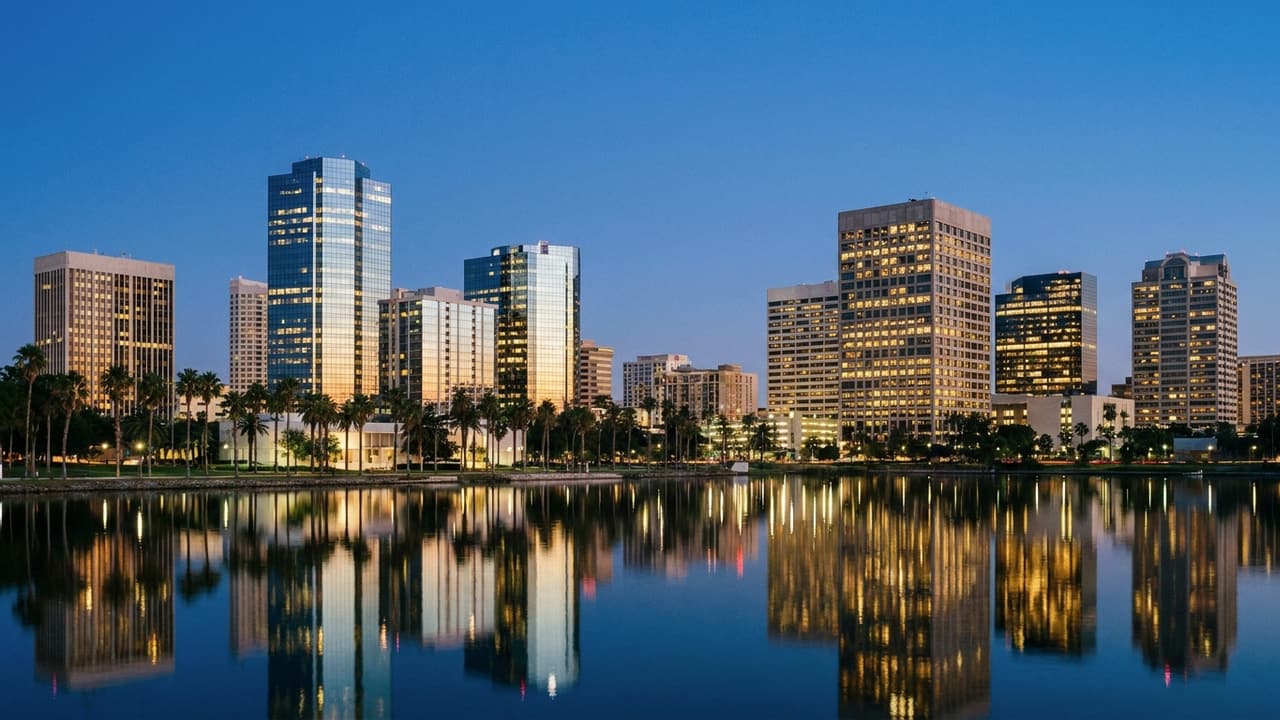
A corridor, not a metropolis
Central Florida’s economic activity is not organized around a single center but along an axis: the I-4 highway, linking the Gulf coast to the Atlantic coast by way of Orlando.
A business based in Lakeland works with Tampa as much as with Orlando; a family settling in Winter Park sometimes schools its children in Sanford. Carving this region up by municipality would produce borders nobody actually lives.
That is why the area the network covers is a belt, and why the region map shows a corridor rather than a point.
Halfway along the axis
Lakeland, the town that proves the corridor
Exactly halfway between Tampa and Orlando, Lakeland belongs to neither and works with both. This is where carving the region up by metro area stops describing anything at all.
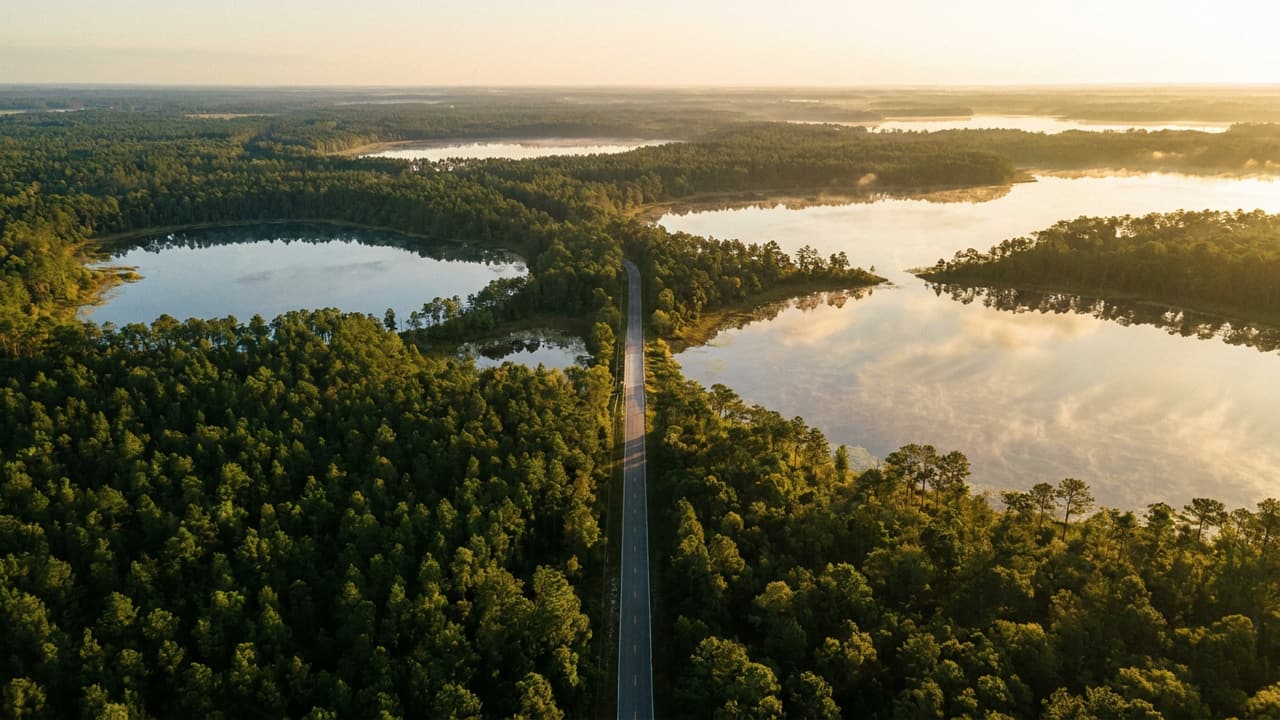
A gap nobody covers
Florida’s established French-speaking organizations, meaning accredited chambers of commerce, business circles and long-standing cultural associations, are overwhelmingly based in the south of the state, around Miami.
A French founder landing in Miami finds someone to talk to within the first week. A hundred and fifty miles north, they find no one. This is not an oversight: Miami holds the historic French community, the chambers, the accelerators. Central Florida industrialized later and differently.
The far end
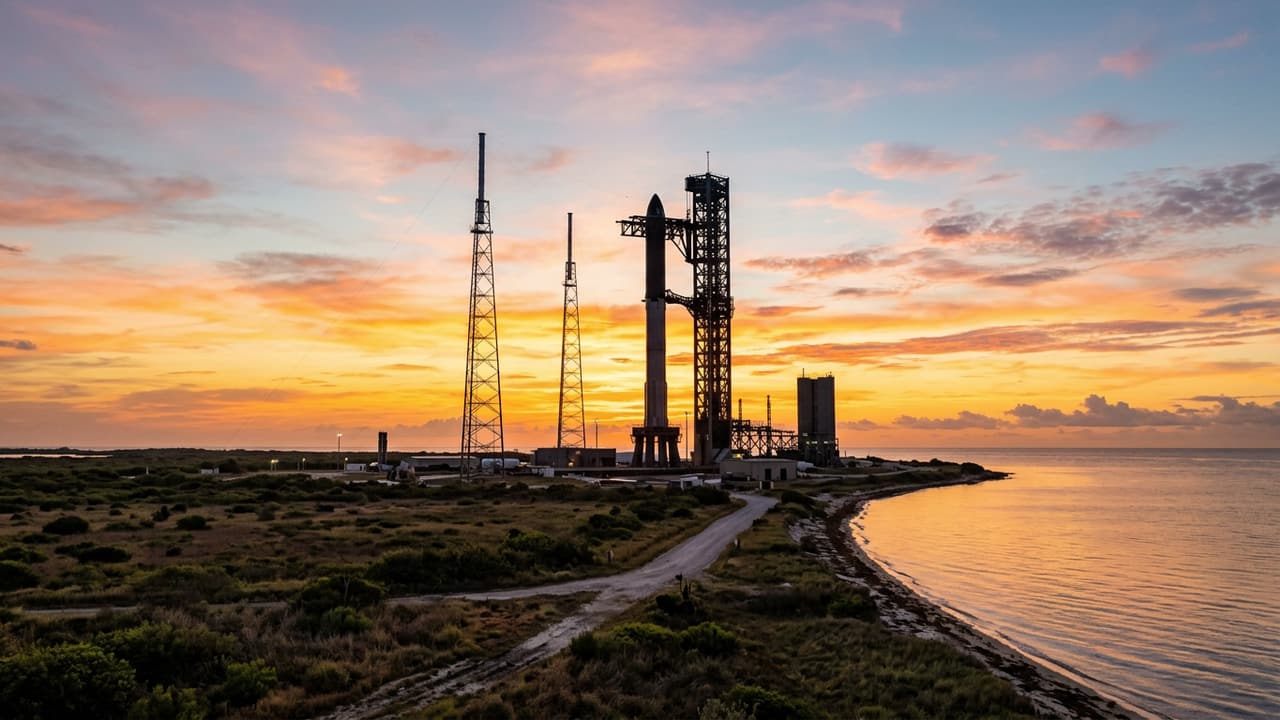
The Space Coast, a hundred miles from Orlando
Cocoa, Melbourne, Titusville: the Space Coast closes the corridor to the east. It is nearer to Orlando than to Miami, and yet no French-speaking organization keeps a presence there.
The network does not seek to compete with those organizations on their own ground. It covers a an area where there is less on offer, and it points to them by name whenever a request belongs to their region or their mandate, and that is what the list of organizations is for.
What the region concentrates
Six sectors, described one by one on the network page: tech and artificial intelligence, cybersecurity and defense, biotech and health, aerospace and aviation, engineering and industry, finance and business services.
These are not sectors picked to sound modern. They are where the French-speaking businesses and professionals the association meets are concentrated.
What the corridor actually attracted
-
120
foreign investment projects in Orlando (2015-2025)
They account for close to 9,000 jobs and $2.7 billion invested over ten years.
-
23.0%
of the region’s residents were born abroad (2026)
Nearly one resident in four, and the fastest-growing share among large U.S. regions.
-
340+
foreign-owned companies in the region (2026)
From more than thirty countries, employing roughly 40,000 people.
-
26
of those projects come from Canada, Belgium, France or Switzerland (2015-2025)
Canada 13, Belgium 5, France 4, Switzerland 4. The sum is ours: the Orlando Economic Partnership publishes the four figures separately.
These figures cover the Orlando Metropolitan Statistical Area, not the whole of Florida, and foreign-owned investment projects. They measure neither French Executive Network’s audience nor the number of French-speaking businesses in the region.
These four numbers come from the 2026 Global Orlando report published by the Orlando Economic Partnership on May 20, 2026, whose investment data is produced by fDi Markets. They cover the Orlando Metropolitan Statistical Area over the decade from 2015 to 2025.
The last one needs a word, because it is the only one we calculated. The Orlando Economic Partnership publishes project counts by country of origin, separately: Canada 13, Belgium 5, France 4, Switzerland 4. The addition is ours, and it does not say “the French-speaking world accounts for 26 projects.” Canada, Belgium and Switzerland are not French-speaking countries; they have French speakers in them. It says how many projects come from the four countries where the network has people to talk to. That is a smaller claim, and a checkable one.
The data on French speakers in Florida, sourced from SelectFlorida, covers the same ground at the state level.